












“DictaAI supports a wide range of audio and video file formats for transcription.”
Audio file types: .3ga, .aac, .ac3, .aif, .aiff, .alac, .amr, .ape, .au, .dss, .flac, .m4a, .m4b, .m4p, .m4r, .mp3, .mpga, .ogg, .oga, .mogg, .opus, .qcp, .tta, .voc, .wav, .wma, .wv
Video file types: .webm, .mts, .m2ts, .ts, .mov, .mp2, .mp4, .m4p (with DRM), .m4v, .mxf.
Yes. DictaAI’s AI transcription services are “enhanced by features like speaker recognition,” allowing the platform to automatically identify and separate multiple speakers in meetings, interviews, podcasts, and conversations.
Yes. DictaAI includes “filler-word removal” and “Filler Word Filtering” features that can automatically remove words like “um,” “uh,” and similar vocal fillers to generate cleaner and more professional transcripts.
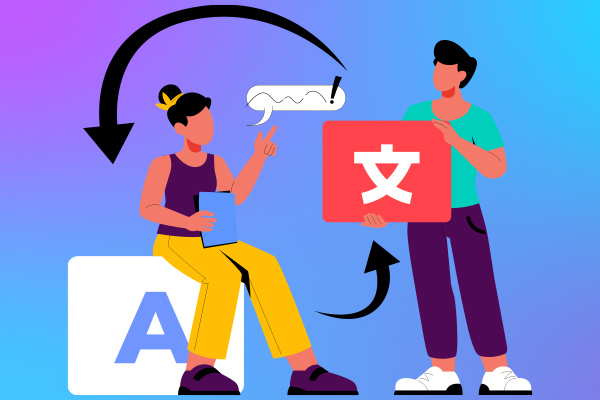
Yes. “DictaAI supports transcription in 17 languages”, including mixed-language conversations. The platform specifically supports multilingual conversations such as “Hinglish, Spanglish, or Franglais,” while preserving the original mixed-language output in the transcript. Supported languages include Global English, Australian English, British English, US English, Spanish, French, German, Italian, Portuguese, Dutch, Hindi, Japanese, Vietnamese, and Hebrew.